Cultivating Inclusive Climate Leadership Through Nature
Every child belongs in nature. Every child has the ability to make a difference.
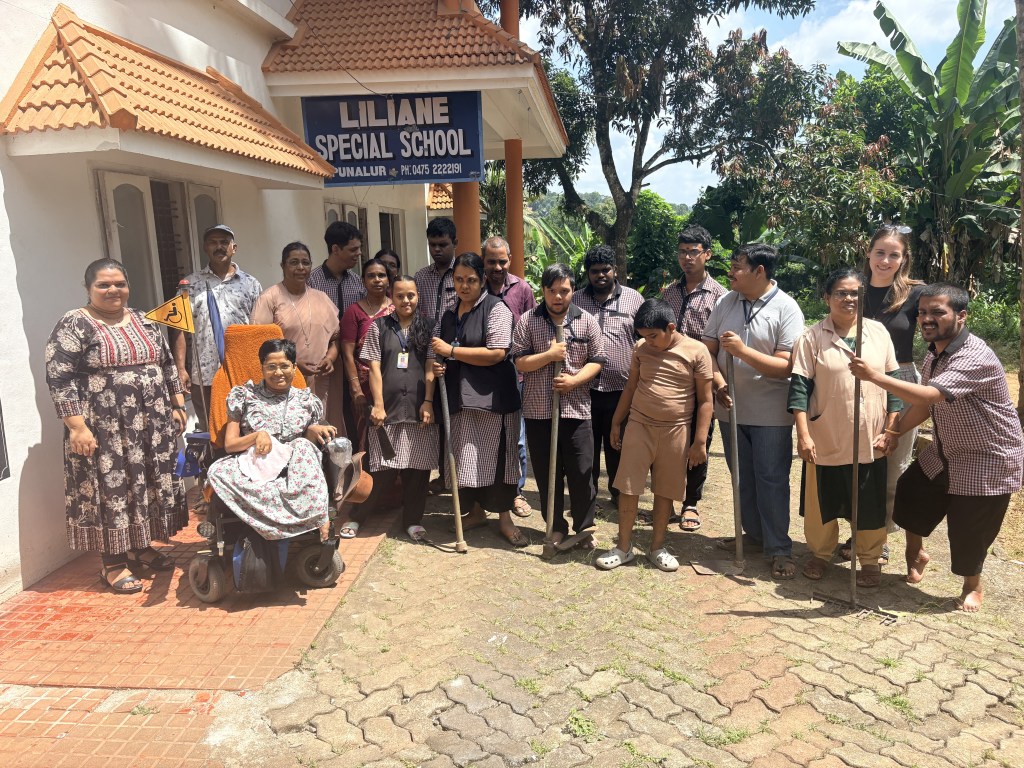
Ecopeace Inclusion Hub is an initiative of Ecopeace Teen Café that creates inclusive spaces for children with intellectual and developmental disabilities to experience nature, learn about the environment, and participate in climate action.
We believe children with disabilities should not simply be included as beneficiaries of environmental programmes. They should be recognised as environmental ambassadors, peacebuilders, and changemakers who have the ability to contribute to a greener, more peaceful, and sustainable world.
Through nature-based learning, inclusive gardens, accessible educational resources, community engagement, and advocacy, we are building spaces where every child can connect with nature and contribute to caring for our planet.
Why Ecopeace Inclusion Hub?
Children with intellectual and developmental disabilities, including children with autism, cerebral palsy, Down syndrome, and other developmental conditions, face particular challenges during extreme heat, pollution, environmental degradation, and climate-related disasters.
Yet their experiences and perspectives are often missing from conversations about climate change and environmental sustainability.
At Ecopeace Inclusion Hub, we want to change this.
We envision a world where children of all abilities have opportunities to experience nature, develop environmental awareness, express themselves, and participate in building sustainable communities.
Our belief is simple: Disability should never be a barrier to participating in climate action.
What We Do
1. Ecopeace Gardens: Growing Together with Nature
At the heart of each Inclusion Hub is an Ecopeace Garden – an accessible green space where children can explore, experience, and learn from nature.
Our gardens bring together:
- Vegetable gardens and seed-growing activities.
- Native trees and flowering plants.
- Butterfly and pollinator gardens.
- Sensory gardens with fragrant and textured plants.
- Medicinal plants.
- Composting and waste management spaces.
- Outdoor learning and interaction circles.
Children participate in planting seeds, watering plants, caring for trees, observing butterflies and birds, and discovering the wonders of biodiversity.
The garden becomes a living classroom where learning happens through experience, exploration, and interaction.
2. Nature-Based Learning
We believe that nature is one of the most powerful teachers.
Through practical and creative activities, children explore environmental themes in ways that respond to their individual abilities and learning needs.
Our activities include:
- Seed planting and gardening.
- Tree care and nature exploration.
- Biodiversity observation.
- Waste segregation and composting.
- Water conservation activities.
- Nature storytelling and creative expression.
- Climate games, music, and movement.
We use visual, tactile, auditory, and experiential learning approaches to encourage meaningful participation.
3. Accessible Environmental Education
Every child learns differently. Our educational resources aim to make environmental learning accessible, engaging, and enjoyable.
Through the Ecopeace Learning Book, we introduce children and families to topics such as:
- Our relationship with Mother Earth.
- Seeds, plants, and trees.
- Birds, butterflies, and biodiversity.
- Climate change and extreme weather.
- Pollution and waste management.
- Peace, kindness, and care for all living beings.
Using simple language, illustrations, stories, and practical activities, we encourage children and families to continue learning and exploring nature together.
4. Families and Communities Growing Together
Inclusion does not happen in isolation. It grows through relationships and collective participation.
We bring together parents, teachers, therapists, volunteers, schools, and local communities to create supportive environments for children.
Through orientation sessions, gardening activities, community celebrations, and collaborative environmental initiatives, we encourage families and communities to become active participants in creating inclusive and sustainable spaces.
5. Climate Justice and Advocacy
Children with disabilities have the right to be included in decisions that affect their environment and future.
Ecopeace Inclusion Hub works to bring their experiences and concerns into local, national, and international climate conversations.
Our advocacy efforts include:
- Promoting disability-inclusive climate policies.
- Engaging local governments and relevant institutions.
- Advocating for accessible green spaces and climate-resilient schools.
- Organising public awareness campaigns.
- Creating opportunities for children to communicate their perspectives.
- Engaging with global climate processes, including the UN Climate Change Conferences (COP).
Around the International Day of Persons with Disabilities on 3 December, we encourage schools and communities to showcase children’s environmental contributions and share their priorities with decision-makers.
We believe climate justice must include every child.
Our Approach
Our work is guided by five interconnected principles:
Inclusion: Every child deserves opportunities to participate, express themselves, and contribute.
Nature Connection: Direct experiences with nature create opportunities for learning, wellbeing, and environmental responsibility.
Participation: Children, parents, educators, and communities are partners in creating change.
Accessibility: Environmental education and climate action should be meaningful and accessible to children with diverse abilities.
Advocacy: Children’s experiences and perspectives must be reflected in environmental decisions and climate policies.
Our Vision
We envision a world where every special school and community has an inclusive green learning space where children of all abilities can experience nature, develop environmental awareness, and contribute to sustainability.
We aspire to grow Ecopeace Inclusion Hubs across communities, schools, and countries, creating a network of inclusive environmental learning spaces and young environmental ambassadors.
Be Part of the Movement
Creating an inclusive and sustainable world requires collective action.
We invite:
- Schools and special education institutions to establish Ecopeace Gardens and introduce nature-based learning.
- Parents and caregivers to participate in environmental activities with their children.
- Disability organisations to collaborate on inclusive climate education and advocacy.
- Educators and therapists to contribute their knowledge and experience.
- Volunteers and environmental practitioners to support gardening, learning, and community initiatives.
- Organisations and donors to partner with us in expanding inclusive climate action.
Together, we can create a world where every child has the opportunity to connect with nature and contribute to protecting our planet.
Every child matters. Every ability matters. Every action matters.
Join Ecopeace Inclusion Hub
Let’s grow inclusive spaces, nurture environmental leadership, and ensure that no child is left behind in the journey towards a sustainable future.
Contact: ecopeaceteencafe@gmail.com

